The importance of trusted data in the real world - and how Geovation is evolving
We shouldn’t judge AI based on what we see on our screens, but on its impact on the world beyond them. Does it help us make better decisions about the real world: where we build, how we move, how we adapt to climate change, and how we protect the places and services that people depend on every day.
The physical world needs our attention more than ever. Climate breakdown, pandemics, international division and conflict, migration and poverty are all place-based challenges. They affect homes, infrastructure, natural systems and communities.
The real test for how we embrace AI is this: can we ensure it improves the physical world, not just the digital one - and are its benefits felt by the many, not the few?
Those questions feel personal. My career has taken me through engineering, urban design, public transport, design thinking, innovation and entrepreneurship. I’ve always asked the same question: how can intentional design make life better? As I’ve moved through my career, I’ve tried to get closer to actual impact - and to close the gap between idea and delivery.
Foundational data
AI is only as good as the data that goes in. If we want better decisions about homes, land, infrastructure, nature and public services, decisions that lead to practical impact, not just theory, we need trusted data that describes the world we want to benefit
That is why data on the physical environment matters. Information about buildings, roads, rivers, addresses, boundaries and infrastructure is more than just a record of the world; it is part of the infrastructure that makes better decisions possible. But more data isn’t universally good - just like building foundations, data needs to be trusted, extensive and up to date. In the age of AI, that foundation may be even more important than the algorithms built on top of it.
The UK has many foundational datasets that describe the country - and they set us apart. OS has been describing the physical world for more than 230 years. HM Land Registry (HMLR) began recording land ownership over 160 years ago, and Registers of Scotland (RoS) started over 400 years ago.
Through the OS Data Hub, OS is now helping make authoritative data easier to access, use and turn into value.
And this is where Geovation comes in.
The role of Geovation
Geovation is part of OS and partners with HLMR and Registers of Scotland (RoS) to help entrepreneurs create value from OS, HMLR and RoS datasets.
Through our community and our Accelerator Programmes we provide funding, mentoring and office space – things that we know entrepreneurs value. But what sets us apart is the access to data and world leading expertise that helps startups understand and integrate that data into their products.
We work with entrepreneurs because founders often see change early: they move more quickly, test ideas iteratively in the real world and can stay closer to the problems they are solving than bigger companies can.
The best founders are not applying technology for its own sake. They are industry experts and problem solvers. They understand where systems are slow, fragmented or unfair, and where better data could solve pain point and unlock better outcomes.
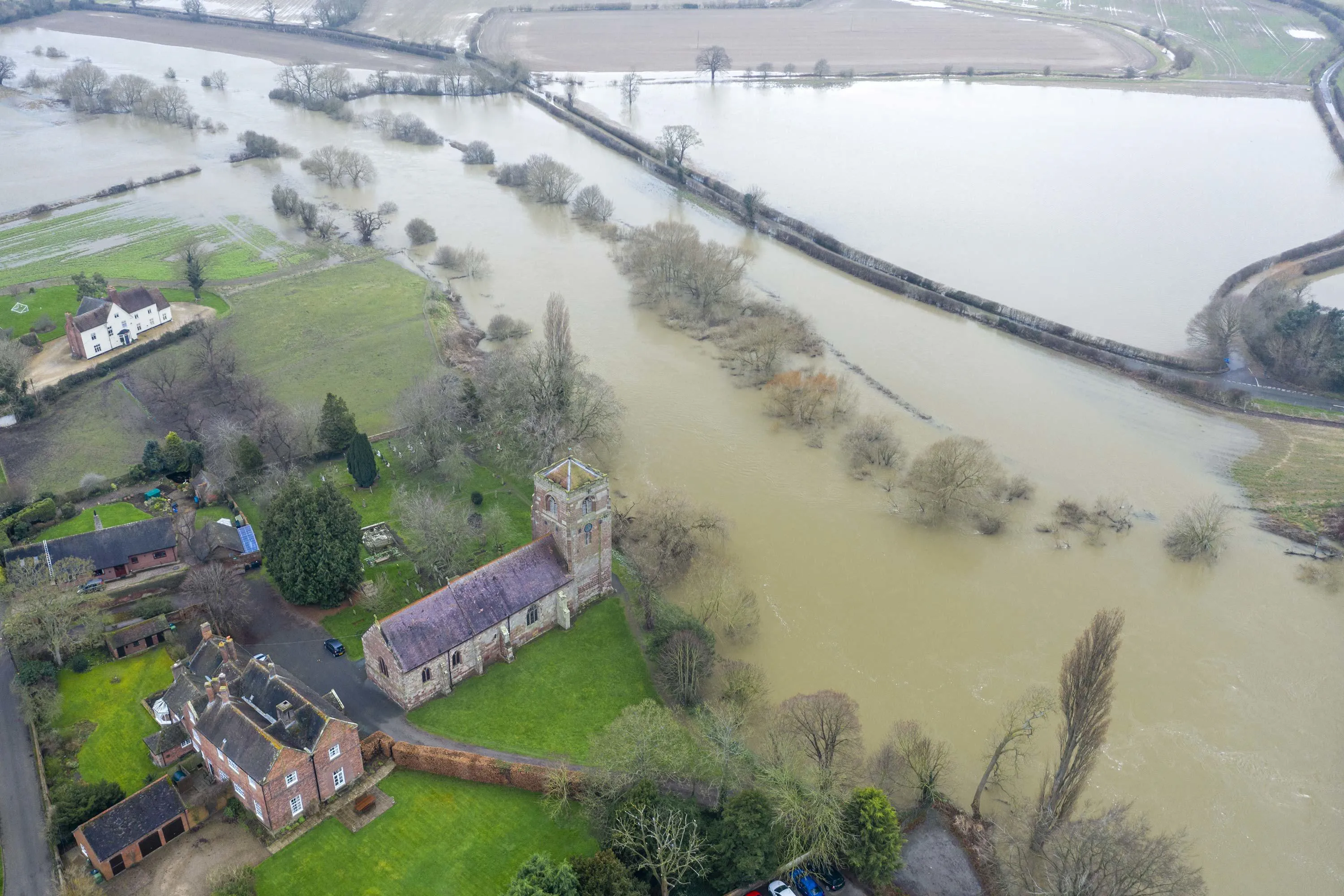
We see this across the startups we support. Planning Hub is exploring how data can speed up planning and housing delivery. Floodwise is helping insurers understand flood risk at an individual property level. Soil Benchmark is helping farmers manage one of their most precious resources: the earth beneath their boots.
These examples show the opportunity. Foundational government data can help us understand risk, unlock housing, support resilience, improve land use and make better decisions about the places people rely on every day.
How the PSGA supports opportunity
The Public Sector Geospatial Agreement (PSGA) between the Government and OS strengthens that opportunity. Through the PSGA, OS data is available to public sector organisations and their suppliers for free at the point of use. That means entrepreneurs working with public services can access some of the most authoritative geospatial data in the country.
Geovation’s role is to make that potential real. We help founders experiment with data, access expertise, build confidence and test whether their ideas can work in practice. In return, their experiments show us where markets are moving, where data needs to improve, and where new forms of impact may emerge.
That creates a powerful feedback loop: founders get data, technical support and space to experiment; OS gains insight into emerging applications and future markets; and society benefits when those experiments become products that scale and help people, places and the planet.
Sometimes that impact is visible in company growth. Flock, one of our earliest cohort companies, showed how data-led innovation can reshape the established insurance market. Earlier this year it was bought for £80m by an incumbent from the market it disrupted. But the everyday experiments across the Geovation community are just as important: they reveal what is possible before it becomes obvious to everyone else.
Evolving into a national data innovation and impact lab
That is why the time for this work is now. Technology is accelerating, physical-world challenges are becoming more urgent, and trusted government datasets are only beginning to reveal their full potential.
Geovation helps founders become the leading edge of innovation, showing how location and property data can unlock new markets, better services and more positive outcomes.
The Geovation community and Accelerator helps startups build their businesses – but we also connect startups together with the providers of the data. By working together, we can make that data better and more fit for purpose – so the startups can achieve even more.
Our ambitions go well beyond OS, HMLR and RoS data. We want to help startups generate value from all government datasets that can be connected through location. Our in-house experts have been helping founders connect diverse datasets since we were founded in 2009. But as the Government seeks to make data more accessible through initiatives such as the National Data Library, the opportunity is growing.
We are evolving from a startup accelerator into a national data innovation and impact lab: a place where government data, entrepreneurial talent and real-world challenges come together. By doing this and unlocking the potential of the UKs datasets, we believe we can strengthen the country’s competitiveness and contribute to positive impact across the planet.
We need you
If you are building a startup, shaping public services, opening up government data or working on the future of the physical world, we want to work with you.
Join our community, attend an event or apply to our programme. If you are from government, or have datasets to share, get in touch to see how we can work together.
Centuries of collecting data on our physical environment have put the UK in a unique place - and the opportunity is now. How will you act to make sure the impact of AI is for good?
Get involved
Visit the Geovation website to apply for innovation activities, explore the community and find out how the team can support your startup.

Head of Geovation
Gareth brings 20 years experience across innovation, urban design and transport, with early-stage startups, Nesta and Transport for London. For the past seven years, he has focused on unlocking the value created when large organisations partner effectively with early-stage startups. He built TfL's Open Innovation and Design Thinking functions and has the scars of trying to make innovation happen from inside startups and inside the public sector. He is driven by the desire to make things better – whether its cities, products or simply life.
Find more blog articles
- Businesses