Commercial property risk: where to start?
The future of commercial property underwriting: from granular data to the bigger picture
Commercial property underwriting has always depended on knowing what is being insured, and advances in location and property data have made it possible to gain a precise understanding of an individual property: its address, its lifecycle, and even its defining characteristics such a building materials, roof type, presence of a basement, and more.
That progress creates a valuable foundation for underwriting – but what else should insurers and underwriters also be considering?
Imagine a series of expanding circles:
- First circle: the property itself
- Second circle: emerging risks, new technologies that can affect the property
- Third circle: neighbouring properties and the immediate area
- Fourth circle: the widest circle takes in the broader environment and the changing climate.
By analysing all four of these layers, together, new data can provide a more complete view of commercial property risk, and enable insurers to make more informed decisions than ever.
The first circle: understand the building
The starting point is knowing precisely which property is being insured, and its location. The address is an essential datapoint, but addresses can change or be recorded inconsistently. The Unique Property Reference Number (UPRN) provides a persistent identifier for an individual addressable location. It can act as a common reference point between proposal forms, underwriting systems, policy records, and external datasets.
As a common identifier, UPRNs enable easier linking of datasets between internal stakeholders, efficient matching with EPC certificates, and could in future present opportunities for data-sharing with other interested parties, such as insurers that outsource flood risk.
With that foundation in place, insurers can build a detailed profile of the property. Its age, use, and construction materials can provide important clues about vulnerability, deterioration, and reinstatement. Its height, floor count, and footprint can help describe the scale and complexity of the risk. Roof shape, area, and material may influence exposure to fire, wind, and severe weather, as well as the practicalities of repair.
Also knowing whether a building is detached or shares walls and roof structures with neighbouring properties can help an underwriter consider how easily fire or damage could spread.
All this property-level information can be gathered from OS datasets, and represents a significant advance from making assumptions based on broad geographic areas or incomplete property descriptions. Underwriters can now examine transparent, building-level attributes that are linked to a specific location, giving underwriters stronger evidence with which to validate submitted information, uncover discrepancies, and identify properties that require closer investigation.
The second circle: identify risks that are changing
Once insurers understand the building itself, its location, age, and history, the next question is how the building and its use are changing. Advancements in technology and sustainability leads to new, emerging risks that wouldn’t have been considered only a few years ago. The transition to new energy technologies is introducing features that may not appear consistently in traditional property records. Solar installations, electric vehicle charging points, and lithium-ion battery storage can all change the nature of a commercial risk.
Solar panels, for example, may affect roof loading, electrical systems, maintenance, and fire risk. As installations age, and as regular solar panel inspections are the responsibility of the property owner, equipment condition and potential failure become increasingly relevant. Roof repairs may also become more complicated if panels must first be removed and later reinstalled.
Battery storage and backup power units can present a particularly challenging fire risk, concerning their location, scale, and proximity to buildings or valuable assets. Once a lithium-ion battery fire begins, containment and mitigation may be difficult.
EV charging introduces additional electrical equipment into car parks, loading areas, and sometimes enclosed structures. The underwriting consideration is not simply whether chargers are present, but where they are situated and what surrounds them.
Other things to consider are below-ground spaces, basements or underground servers, which may contain stock or critical electrical equipment. Greater rainfall intensity can increase exposure to surface water and groundwater, and access to below-ground spaces for access, drying, and recovery after a flood can be more complex.
The value of some commercial properties is changing too. Data centres, for example, combine high-value equipment, dependence on continuous power and cooling, and the potential for significant business interruption. The scale and complexity mean that the consequences of an incident can extend far beyond physical damage.
These features should therefore prompt better questions, trigger a referral, inform a survey, or help direct specialist expertise.
The third circle: risks in the surroundings
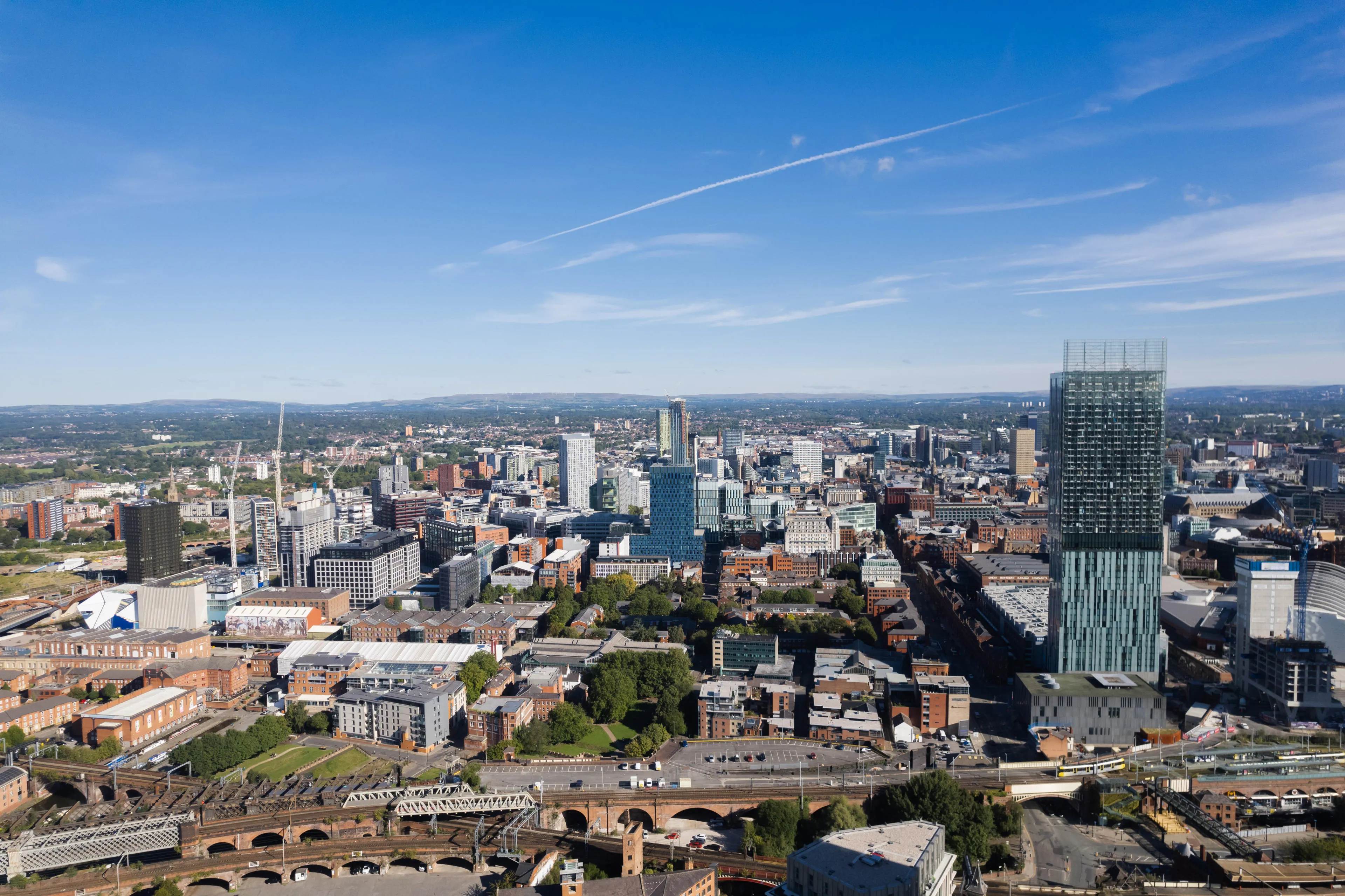
A property’s address, its assets – then, the area around it. A detailed understanding of the property is only part of the underwriting process, as hazards don’t stop at site boundaries.
Neighbouring land use can significantly affect a commercial property’s exposure. Proximity to a petrol station, chemical facility, or heavy manufacturing site may increase the potential for fire, explosion, or contamination.
In dense urban areas, physical connectivity can make this relationship even more important. A fire in an adjoining building can quickly become a loss for the insured property. A high-risk trade operating next door may therefore become an underwriting concern, even if it is insured elsewhere. Shared walls and roof structures can reveal connections that are not obvious from the address alone.
What happens around the property can also determine how effectively an incident is controlled. How close is the nearest fire station? Can emergency vehicles reach the building easily? Is access restricted by a narrow road, low bridge, weight restriction, or pedestrianised area? Where urban density is increasing, limited space may make firefighting, debris removal, and reconstruction more difficult.
These factors can influence both loss severity and recovery time. A property may be close to a main road yet still be inaccessible to specialist vehicles. Rebuilding in a constrained city-centre location may be far more complex than reinstating an apparently similar property on an open site.
And dependencies can extend further, beyond the local area, such as disrupting supply chains. A major incident affecting a nearby supplier, transport route, utility or regional distribution hub could interrupt trading even when the insured property suffers no direct physical damage.
Seeing all these relationships can help insurers consider the potential for cascading business interruption.
The fourth circle: understanding the environment
The final, largest circle places the property and its surroundings within a changing natural environment.
Distance from rivers, coastlines, and areas of vegetation can help provide context for flood, coastal, and wildfire exposure. A property’s building materials, height, and presence of buildings around it may affect vulnerability to wind. Local terrain, drainage, and access routes can shape how an extreme weather event develops at an individual site.
Then, underwriters also need a contextual view of potential risks caused by the effects of climate change. Extreme heat may have different consequences for an office, warehouse, care setting or data centre. The impact of wildfire depends on nearby vegetation, property materials, and emergency access. Flood vulnerability can be affected by basements, entrance levels, and the location of stock or critical equipment.
This is where granular property data needs to be combined with wider environmental information for a much more comprehensive and informative view of how an individual property could be affected.
From property detail to decision certainty
The future of commercial property underwriting is not about collecting as much data as possible about the asset itself, but connecting relevant information to the right property and placing that property in context.
An expanding view of risk can help insurers:
- validate and enrich information at quote stage,
- identify cases requiring referral, survey or risk engineering,
- support more accurate segmentation and pricing,
- understand high-value assets and portfolio concentrations,
- anticipate claims and reinstatement complexity,
- recognise business interruption dependencies, and
- direct specialist expertise more efficiently.
The next competitive advantage will come from extending considerations beyond the individual property, and having a greater understanding of emerging risks.
The more you understand a property, its assets, the surrounding area, and the environment beyond, the better prepared you can be.

Customer Development Manager
Find out how location data can benefit insurance providers
Fill in the blanks with unrivalled location data and GIS for insurance.