Ordnance Survey highlights health benefits of walking 7,000 daily steps
New research suggests people have been chasing the wrong steps target for years.
Press Office
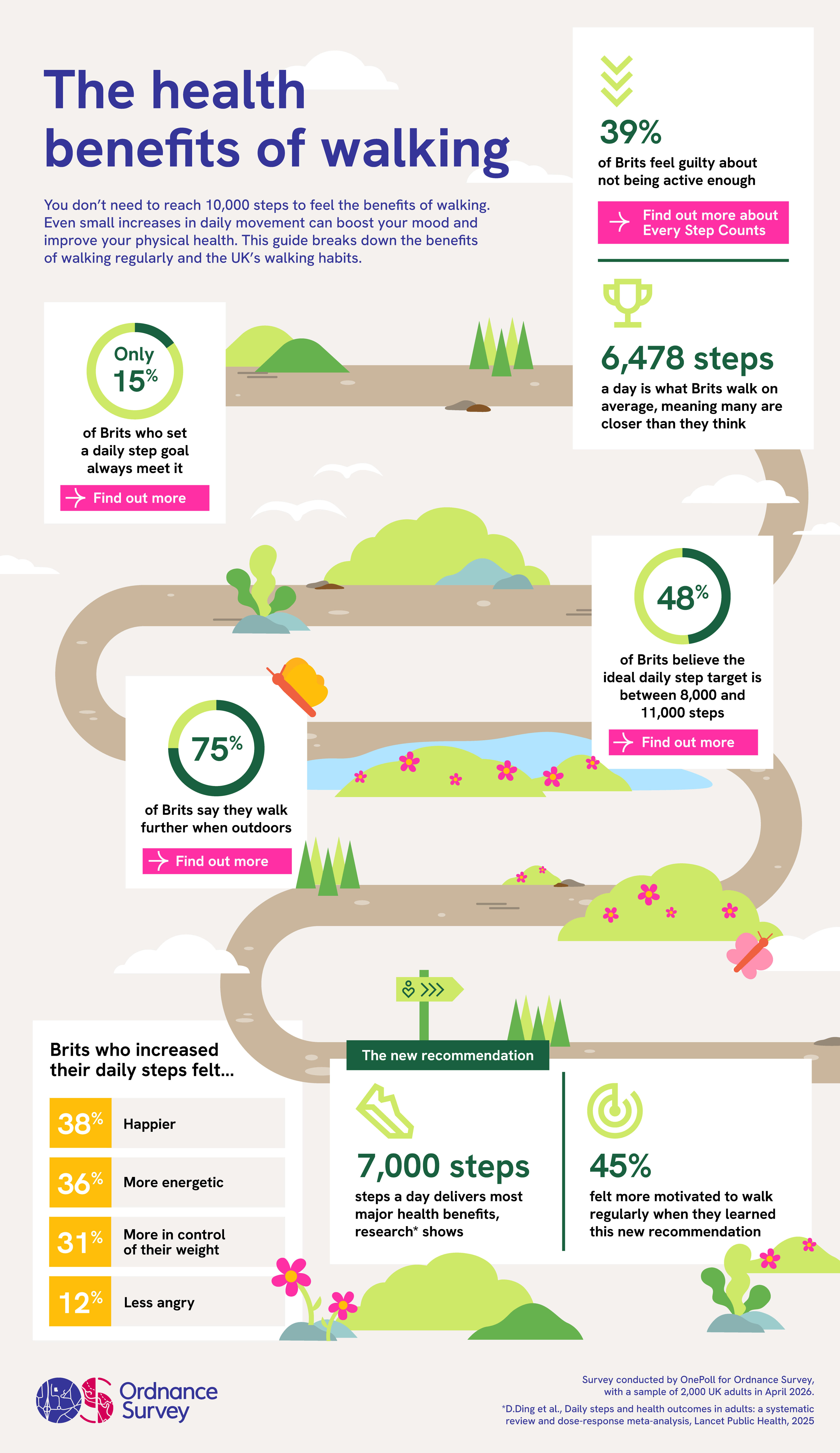
A poll of 2,000 adults found 53 per cent fail to meet the perceived daily step count target of 10,000.
However, only 26 per cent fail to meet the new recommended daily step count of 7,000.
With 39 per cent feeling guilty about the number of steps they take daily and nearly half (48 per cent) of respondents believing that ideal number to be between 8,000 and 11,000.
The new recommended daily step count, according to The Lancet - Journal of Public Health, is now 7,000 for an adult which just 14 per cent were aware of.
On learning this, 45 per cent now felt more motivated to walk regularly.
And when they do get stomping, 75 per cent reckon they walk further when outdoors and find doing so more enjoyable (69 per cent).
The research, commissioned by Ordnance Survey, comes as sports scientist and former Olympic athlete, Professor Greg Whyte OBE, shared the biggest mistake people make when trying to get fit is focusing solely on reaching a specific out-of-reach step count.
When instead, they should be incorporating movement throughout the day in smaller, manageable bursts that can be easier to sustain.
These short stints of exercise can include going for a ‘walk and talk’ with friends or colleagues, speeding up your walking intermittently when you do get out and walking up flights of stairs instead of getting the lift or escalator.
He shared while 10,000 steps may be the gold standard there are also benefits to more practical walking goals.
Referencing The Lancet study the Olympian revealed 7,000 steps can lower the risk of cardiovascular disease by 25 per cent, type 2 diabetes by 14 per cent, dementia by 38 per cent and depressive symptoms by 22 per cent.
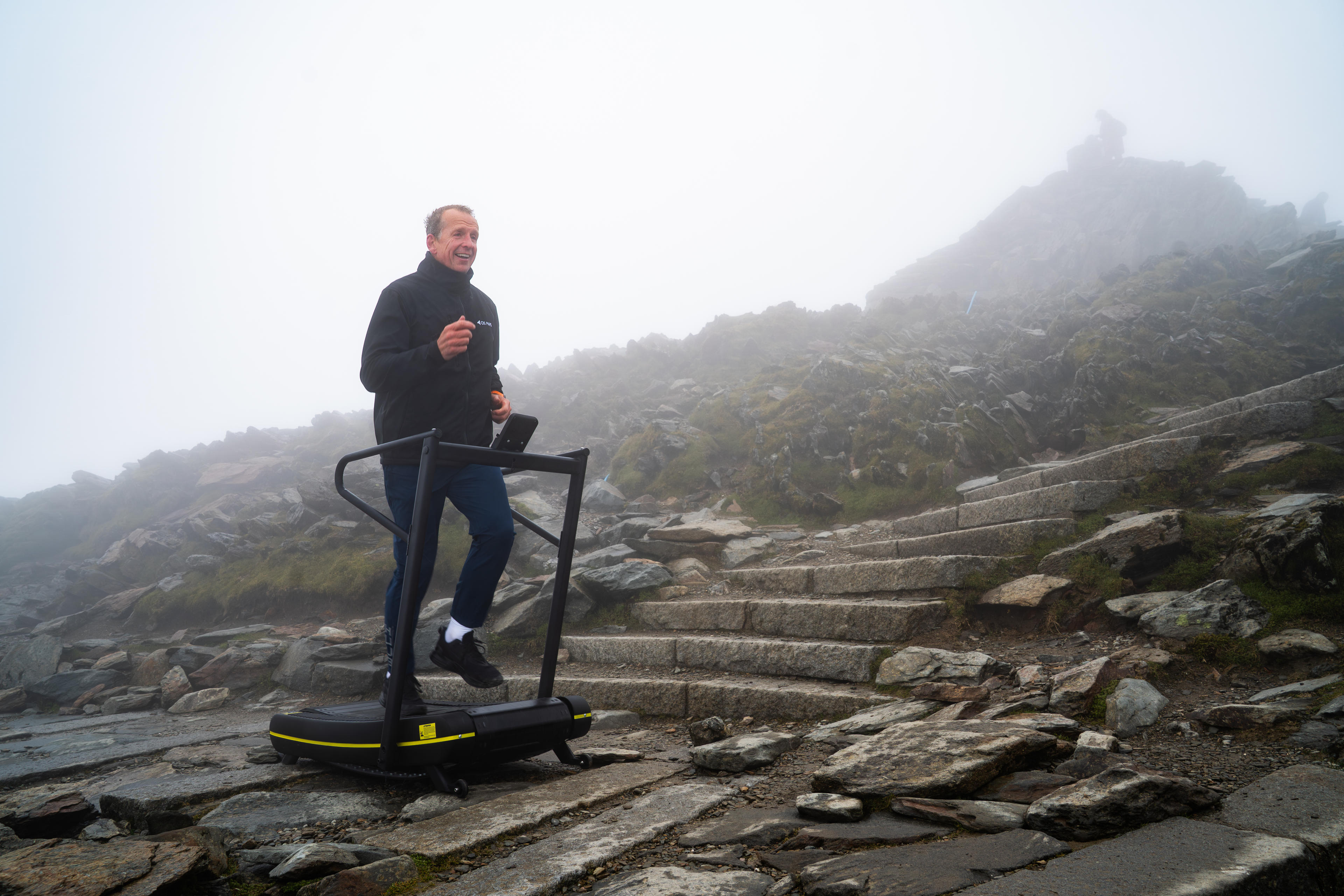
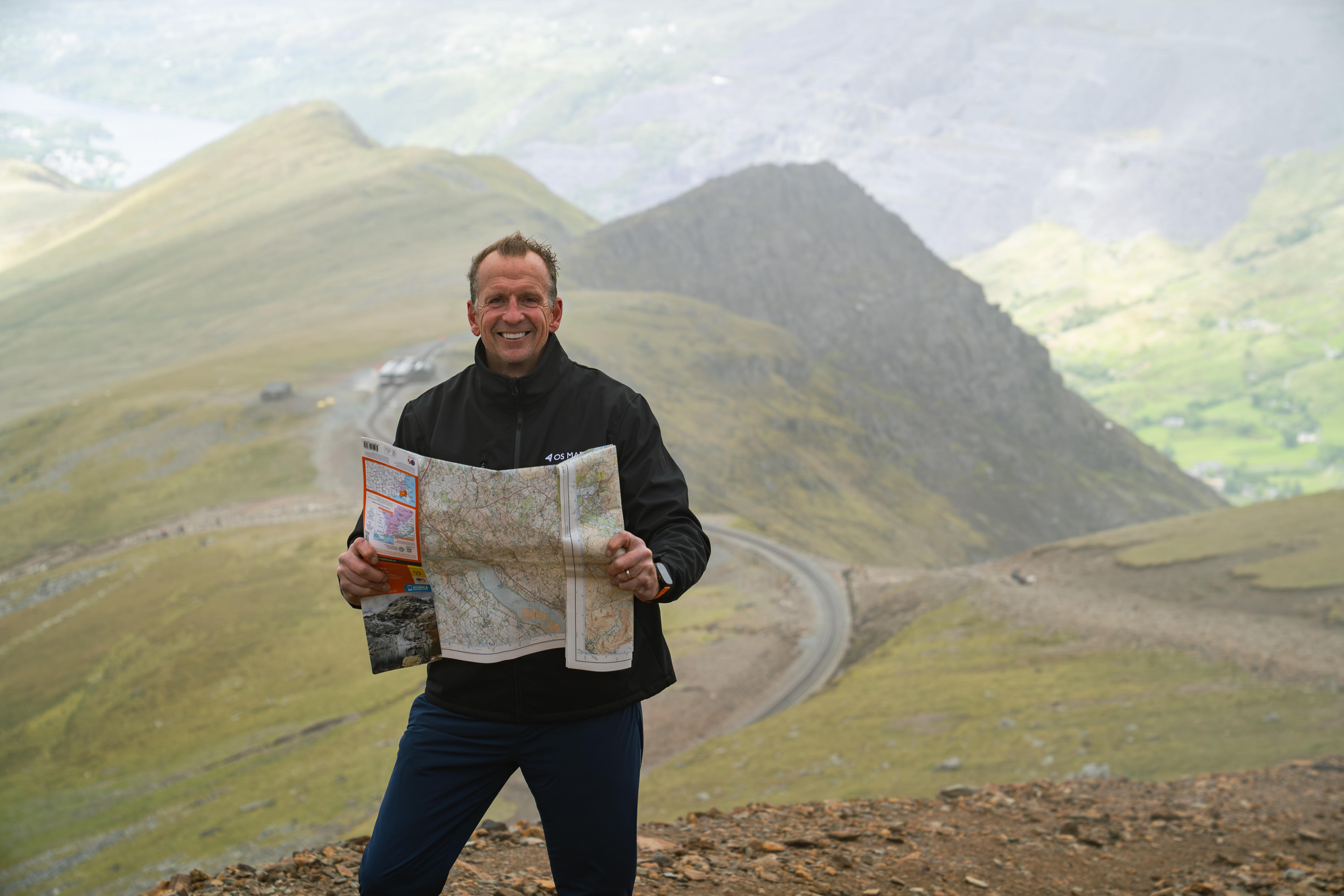
Partnering with Britain’s national mapping service, the former modern pentathlete greeted hikers at the top of Yr Wyddfa/Snowdon - the highest mountain in England and Wales - to inspire people to get moving and show that time spent outside, at any level, can bring many positive health benefits.
"Recent scientific research shows that the biggest benefits to a person’s physical and mental health are seen at around 7,000 steps a day. So actually, the national average of 6,478 isn’t too far off that – that’s something to be proud of. However, the average figure masks the large number of inactive people for whom small increases in physical activity would have a profoundly positive impact on their health and wellbeing. "
Greg added: "And time outdoors is proven to boost mental wellbeing, strengthen social connections and improve physical health. Even simple hill walking works as natural strength training - increasingly important as we get older. Not everyone can climb a mountain every day – the aim is to inspire people to get moving.
"Whether it’s a short local walk or a bigger adventure like Yr Wyddfa/Snowdon - walking the full route or combining it with the Snowdon Mountain Railway - it’s a reminder of what’s possible when we spend time outdoors.
“But people should not feel guilty about the exercise they get each day, rather channel that feeling into remembering that every movement adds up over the course of a day and not get discouraged.
“Walking 10,000 steps daily is great if you can, but even 1,000 to 2,000 extra steps a day boosts health.
“And consistency is better than perfection.”
The study also showed exactly half were aware there was a recommended number of daily steps, but not that it was 7,000.
And the top motivators for getting their steps in were physical health and wellbeing (31 per cent), fresh air (29 per cent), and the beauty of the outdoors (20 per cent).
Nearly a third (29 per cent) of those polled via OnePoll.com set themselves a daily step count target.
But only 15 per cent always meet it as their daily routine becomes too busy to prioritise walking (25 per cent), they get tied up with other tasks (22 per cent) and 19 per cent blame the weather.
Most respondents (27 per cent) get their steps in in the morning – with activities that contribute most to their daily count including running errands (43 per cent), exercising (43 per cent) or being busy at work (23 per cent).
When attempting to boost their strides, 26 per cent will take stairs instead of the escalator or lift, 22 per cent attempt chores and 14 per cent park further away from their destination than they need to.
Those that have managed to increase their step count report feeling happier (38 per cent), more energetic (36 per cent) and more in control of their weight (31 per cent).
And more than one in 10 (12 per cent) reported feeling less angry when they upped their walking.
"The outdoors really does act like a ‘green gym’ and it’s one that’s available to all of us. You don’t always need a gym membership or large chunks of time, even a short walk outdoors can give people a physical and emotional lift. And that could be everything from hiking up a mountain, a gentle ramble in countryside you’re not acquainted with - or just walking instead of getting the bus. You don’t need big daily targets. If we can help people move a little more, a little more often, the impact on national wellbeing could be immense."
The top 10 biggest motivators for getting the steps in
1. For physical wellbeing and health
2. Fresh air
3. The scenery and beauty of the outdoors
4. Wanting to get outdoors
5. To support mental wellbeing
6. Because they enjoy it
7. Listening to music or podcasts while walking
8. Wanting to hit their steps goal
9. Spending time with friends or family
10. Exploring new places or neighbourhoods
Top 10 ways Brits get their steps in daily
1. Going out for a walk
2. Taking the stairs instead of a lift or escalator
3. Doing household chores
4. Going for a run
5. Parking further away from my destination than I need to
6. Walking during phone calls
7. Getting off public transport earlier than I need to
8. Setting reminders to get up and move
9. Joining a walking group
10. Using a walking pad or standing desk
Sharing the latest news about OS. We can license you to use OS maps in print, online and film format. For more information and resources for journalists, bloggers and media professionals, email pressoffice@os.uk or call 023 8005 5565.
Explore OS Maps
You can share your walking, cycling or running routes in Great Britain by downloading the OS Maps App on your phone, PC or laptop
Find more news
- Outdoors and recreation
- Public health and wellbeing
- General public
- Consumer
- Great Britain
- United Kingdom